By Dave Delain
January 26, 2026
By Dave Delain | January 26, 2026
Auto insurance is a foundational part of responsible vehicle ownership, yet many drivers carry policies without fully understanding what they cover or why certain protections matter. At its core, auto insurance is designed to provide financial protection against losses related to accidents, theft, property damage, and liability. However, policies are not one-size-fits-all. Coverage options vary widely, and selecting the right combination can significantly influence both short-term affordability and long-term financial security.
Understanding how auto insurance works empowers drivers to make informed decisions rather than relying solely on minimum legal requirements or generic recommendations. Each coverage type addresses specific risks, from bodily injury liability to protection against uninsured drivers. When drivers understand these distinctions, they are better positioned to evaluate policy limits, deductibles, and optional add-ons that align with their driving habits, vehicle value, and personal risk tolerance.
Trust also plays a role in how drivers perceive and manage their coverage. Many consumers feel uncertain about what their policies truly provide, which can lead to frustration during claims or renewals. A clear explanation of coverage types helps bridge this gap by turning complex policy language into practical knowledge. The following sections break down the most important components of auto insurance, offering a comprehensive overview of coverage types every driver should know.
Understanding Liability Coverage and Legal Responsibility
Liability coverage forms the backbone of most auto insurance policies and is required by law in nearly every state. This coverage is designed to protect drivers financially if they are found responsible for causing an accident that results in injury or property damage to others. Liability coverage does not pay for the policyholder’s own injuries or vehicle repairs; instead, it addresses the costs incurred by third parties.
Bodily injury liability covers medical expenses, lost wages, legal fees, and, in some cases, pain and suffering for individuals injured in an accident caused by the insured driver. Property damage liability pays for repairs or replacement of another person’s vehicle, fence, building, or other damaged property. Coverage limits are typically expressed as three numbers, representing maximum payouts per person, per accident, and for property damage.
Choosing adequate liability limits is critical. While minimum state requirements may reduce premium costs, they often fall short of covering serious accidents. When damages exceed policy limits, drivers may be personally responsible for the remaining costs. As a result, many insurance professionals recommend higher limits to provide stronger financial protection and peace of mind. Understanding liability coverage helps drivers recognize why auto insurance is not just a legal obligation but a safeguard against potentially devastating financial consequences.
Exploring Collision Coverage for Vehicle Repairs
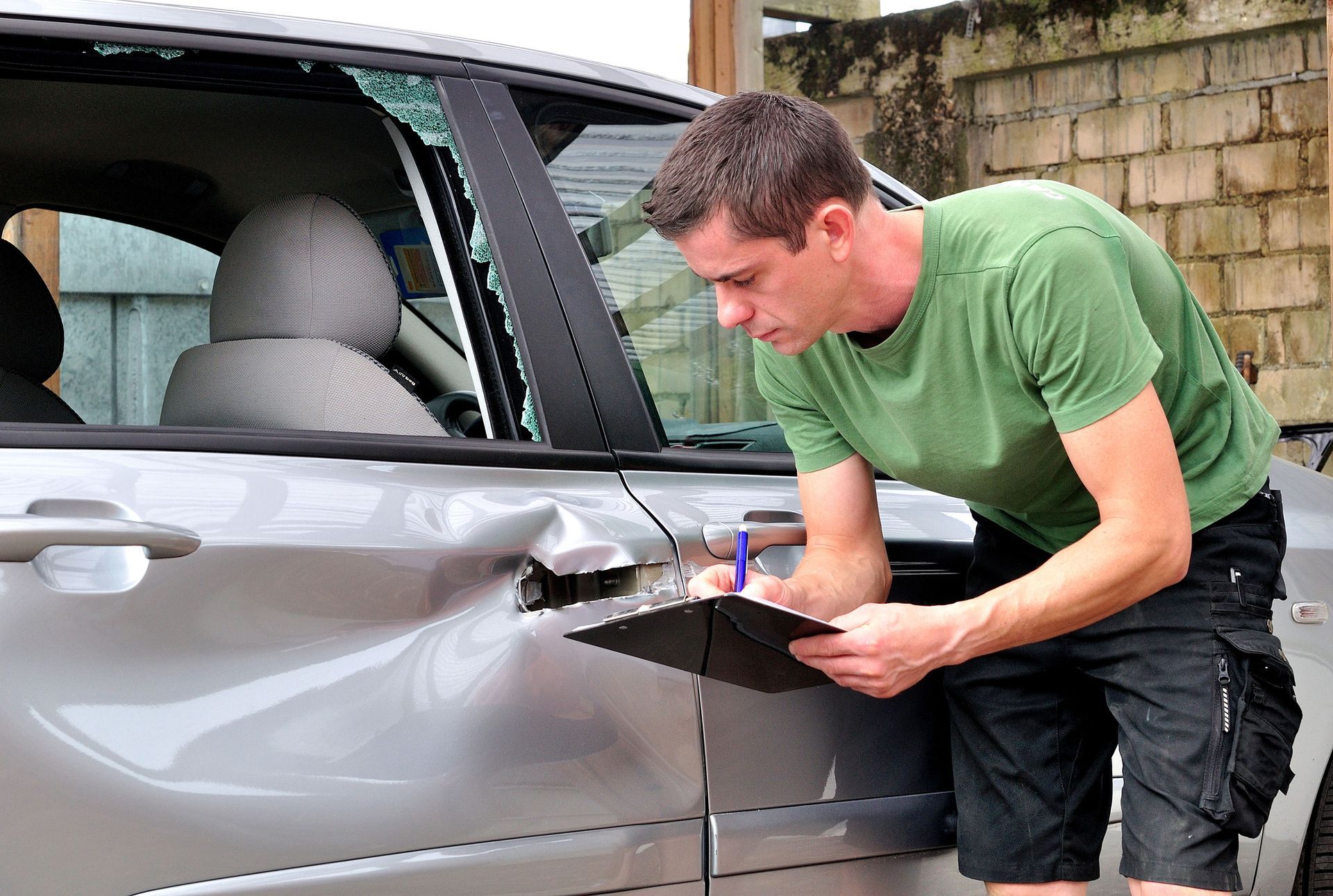
Collision coverage focuses on repairing or replacing the insured vehicle after an accident, regardless of who is at fault. This type of auto insurance coverage applies to incidents involving another vehicle as well as single-car accidents, such as hitting a guardrail or tree. Collision coverage is especially valuable for newer or higher-value vehicles, where repair or replacement costs can be substantial.
Unlike liability coverage, collision protection typically includes a deductible. The deductible is the amount the policyholder pays out of pocket before insurance benefits apply. Higher deductibles usually result in lower premiums, while lower deductibles increase monthly costs. Selecting the right deductible involves balancing affordability with the ability to cover unexpected expenses after an accident.
Collision coverage is often required by lenders or leasing companies until a vehicle is fully paid off. Even when not required, it can play a crucial role in maintaining financial stability after an accident. Without this coverage, drivers may face significant repair bills or be forced to replace their vehicle entirely at their own expense. Including collision protection within an auto insurance policy helps ensure that vehicle damage does not disrupt daily life or long-term financial plans.
Reviewing Comprehensive Coverage for Non-Collision Risks
Comprehensive coverage addresses vehicle damage caused by events other than collisions. This includes theft, vandalism, fire, hail, flooding, falling objects, and animal-related incidents. While comprehensive coverage is optional under most state laws, it is commonly bundled with collision coverage to provide more complete protection.
Like collision coverage, comprehensive auto insurance includes a deductible, giving drivers flexibility in managing premium costs. This coverage is particularly important in regions prone to severe weather or areas with higher theft rates. Even drivers with older vehicles may find value in comprehensive protection if replacement costs are difficult to absorb out of pocket.
Comprehensive coverage extends the role of auto insurance beyond accidents, acknowledging that many risks occur when a vehicle is parked or not in use. Covering unpredictable events, it reduces uncertainty and financial exposure. Drivers who rely on their vehicles for work, family obligations, or daily transportation often view comprehensive coverage as an essential component of a well-rounded policy.
Evaluating Uninsured and Underinsured Motorist Protection
Uninsured and underinsured motorist coverage protects drivers when they are involved in an accident caused by someone who lacks sufficient insurance. Despite legal requirements, some drivers operate vehicles without coverage or carry only minimum limits that may not fully compensate for damages. This gap can leave responsible drivers vulnerable to unexpected expenses.
Uninsured motorist coverage typically pays for medical expenses, lost income, and, in some cases, vehicle damage when the at-fault driver has no insurance. Underinsured motorist coverage applies when the other driver’s policy limits are too low to cover the full extent of the damages. These protections can be particularly valuable in serious accidents involving injuries or long recovery periods.
In discussions about consumer confidence, it is worth noting that trust issues often influence how drivers approach policy decisions. According to the J.D. Power 2024 U.S. Auto Insurance Study, 51% of customers report having little trust in their auto insurance provider. This statistic highlights the importance of understanding coverage details firsthand rather than relying solely on assumptions or provider explanations. Including uninsured and underinsured motorist protection within an auto insurance policy helps drivers take control of their financial security, even when others fail to meet legal requirements.
Selecting Optional Coverages and Policy Customization
Beyond standard coverage types, many insurers offer optional add-ons that allow drivers to customize their auto insurance policies. Common options include roadside assistance, rental car reimbursement, gap insurance, and coverage for custom parts or equipment. Each add-on addresses specific needs and can enhance overall protection when selected thoughtfully.
Roadside assistance provides support for breakdowns, flat tires, lockouts, and towing, offering convenience and peace of mind during unexpected situations. Rental car reimbursement covers temporary transportation costs while a vehicle is being repaired after a covered loss. Gap insurance is especially relevant for drivers with loans or leases, as it covers the difference between a vehicle’s actual cash value and the remaining loan balance after a total loss.
Comparing Coverage Needs Over Time
Auto insurance needs are not static; they evolve as drivers experience changes in vehicles, finances, and life circumstances. A policy that made sense when a vehicle was new may require adjustment as it ages or as financial priorities shift. Regular policy reviews help ensure coverage remains appropriate and cost-effective.
Major life events such as relocation, marriage, or changes in commuting patterns can influence risk exposure and coverage requirements. For example, moving to an area with higher traffic density or severe weather may increase the value of comprehensive and collision coverage. Similarly, paying off a vehicle loan may provide flexibility to reassess optional protections.
Comparing coverage needs over time reinforces the idea that auto insurance is an ongoing financial strategy rather than a one-time purchase. Periodic evaluations allow drivers to address gaps, eliminate unnecessary coverage, and maintain confidence in their policies. By staying informed and proactive, drivers can ensure their auto insurance continues to support both legal compliance and long-term financial security. Call Delain Insurance Agency today to schedule your insurance consultation.